Uriarra Station
One of the oldest pastoral holdings in the region — an 1860s stone homestead, a working wool operation, and a landscape central to the valley's heritage.
One of the oldest pastoral holdings in the region — an 1860s stone homestead, a working wool operation, and a landscape central to the valley's heritage.
From the McDonald family's early runs to the visits of foreign dignitaries, Uriarra Station has anchored the valley's rural identity for more than 160 years.
Sheep and cattle grazing begins along the Uriarra flats as the McDonald family establishes early holdings in the district.
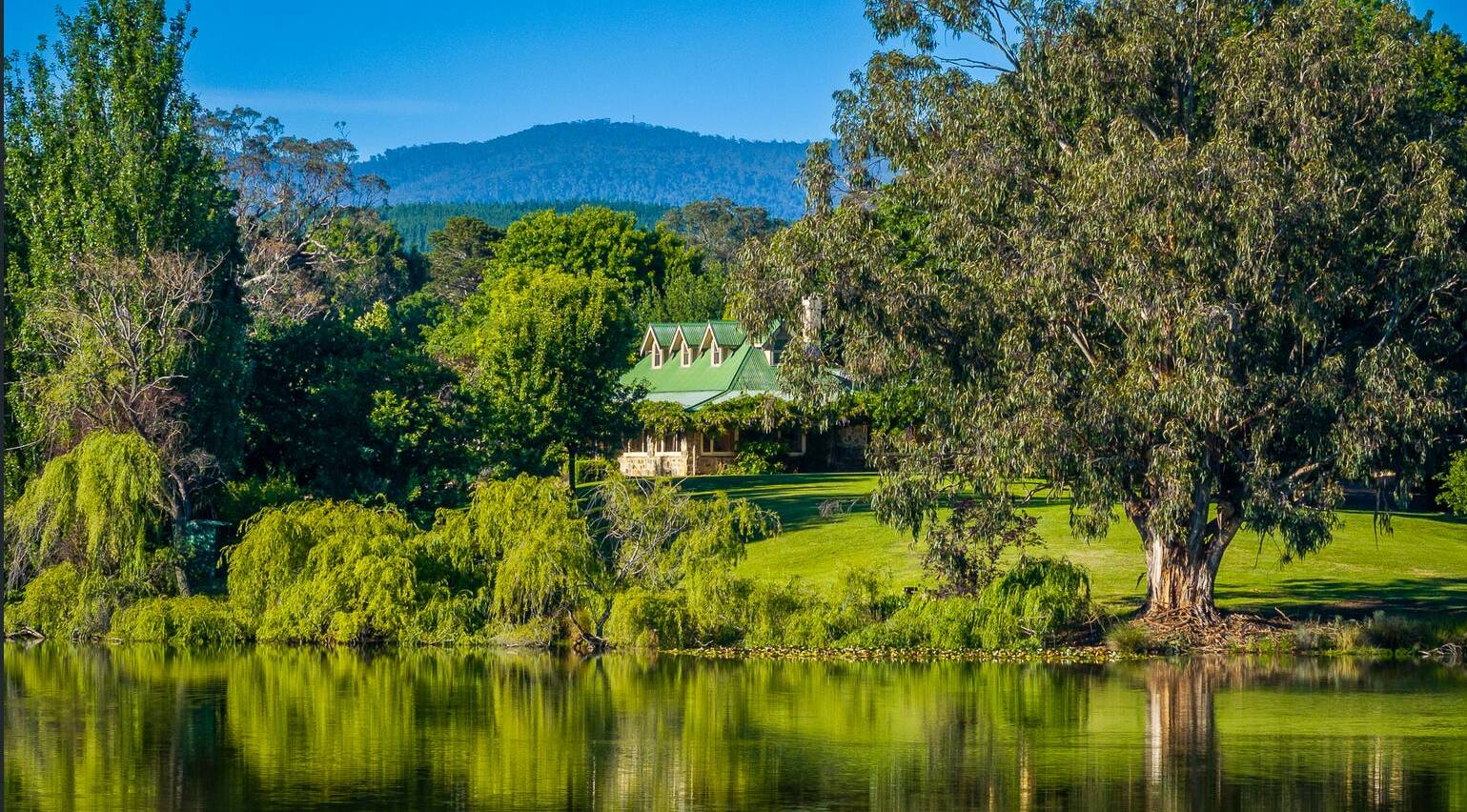
The characterful stone homestead is built, with its dormer windows and Federation-style garden — the heart of the station to this day.
A young senator Richard Nixon spends an afternoon at Uriarra watching shearing and wool classing during his 1953 tour of Australia.
The 2,950-acre station runs as a premium grazing operation across 36 paddocks — now facing the prospect of industrial development on its doorstep.
Long before the first fences, the Uriarra Valley was — and remains — Ngunnawal Country. The station's very name carries one of the oldest living stories in the region.
The Ngunnawal people have cared for this country for millennia — the nearby Birrigai Rock Shelter, in the mountains to the south, shows Aboriginal shelter use through the last Ice Age, more than 25,000 years ago.
"Uriarra" is said to derive from a Ngunnawal term meaning "running to the feast." Each spring and summer, Ngunnawal families and visiting groups — Gundungurra, Wiradjuri, Wolgalu and Ngarigo — gathered here for the Bogong moth harvest. Oral histories describe a flat rock near the present homestead where women cooked the moths brought down from the mountains, a tradition recorded continuing until at least 1859.
The Murrumbidgee corridor and its river flats were rich camping and gathering country — stone tools, scarred trees and artefact scatters from open campsites are recorded across the ACT, all protected under the Heritage Act 2004. The Ngunnawal connection to this valley did not end with colonisation; it continues.
Just across the valley at Coree, the Sherwood Homestead Complex — the 1860s Phillips family farm, its oak trees and burial ground — was found eligible for the ACT Heritage Register in 2015, part of the same wave of pastoral settlement that shaped Uriarra Station.
The heart of Uriarra Station: the 1860s stone homestead with its dormer windows, Federation-style gardens and private lake — recognised as a showcase of settler architecture and one of the oldest pastoral holdings in the ACT.
All Aboriginal places and objects in the ACT — artefact scatters, scarred trees, grinding grooves, stone quarries and sacred landscapes — are protected under the Heritage Act 2004. What lies in this valley is irreplaceable.
We acknowledge the Ngunnawal people as traditional custodians of the ACT and recognise any other people or families with connection to these lands. We acknowledge and respect their continuing culture and the contribution they make to the life of this region.
The homestead, the flock, the river and the road — a working landscape the valley is fighting to protect.
The 1860s stone homestead in its Federation-style garden.
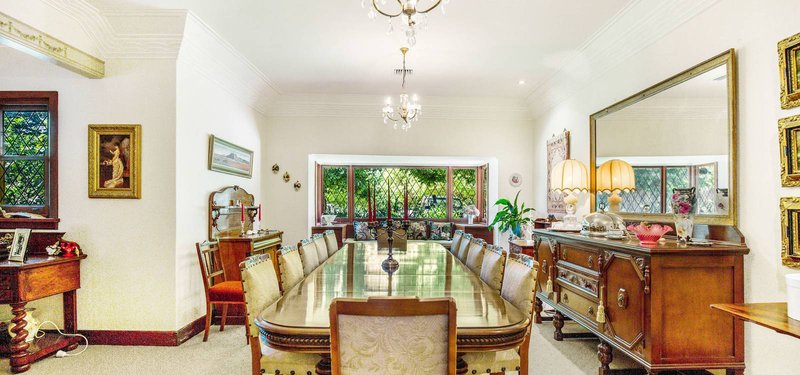
The formal dining room — chandelier and garden views.
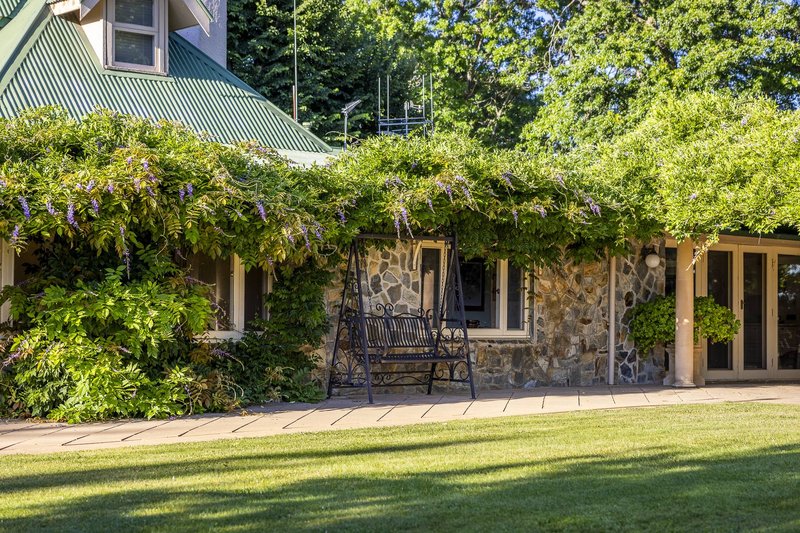
The homestead draped in spring wisteria.
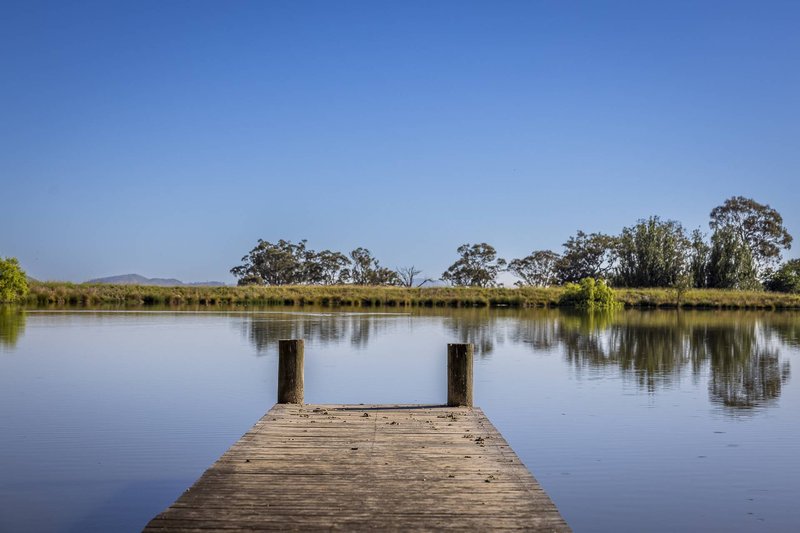
The station's 4.7ha private lake.
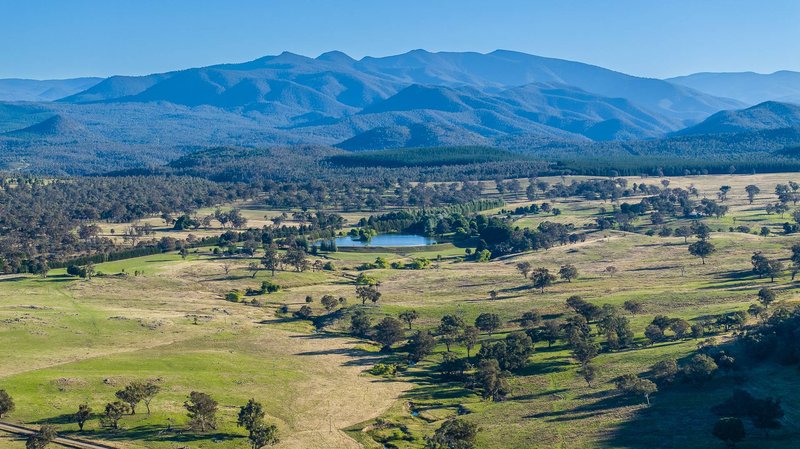
Grazing country running to the Brindabellas.
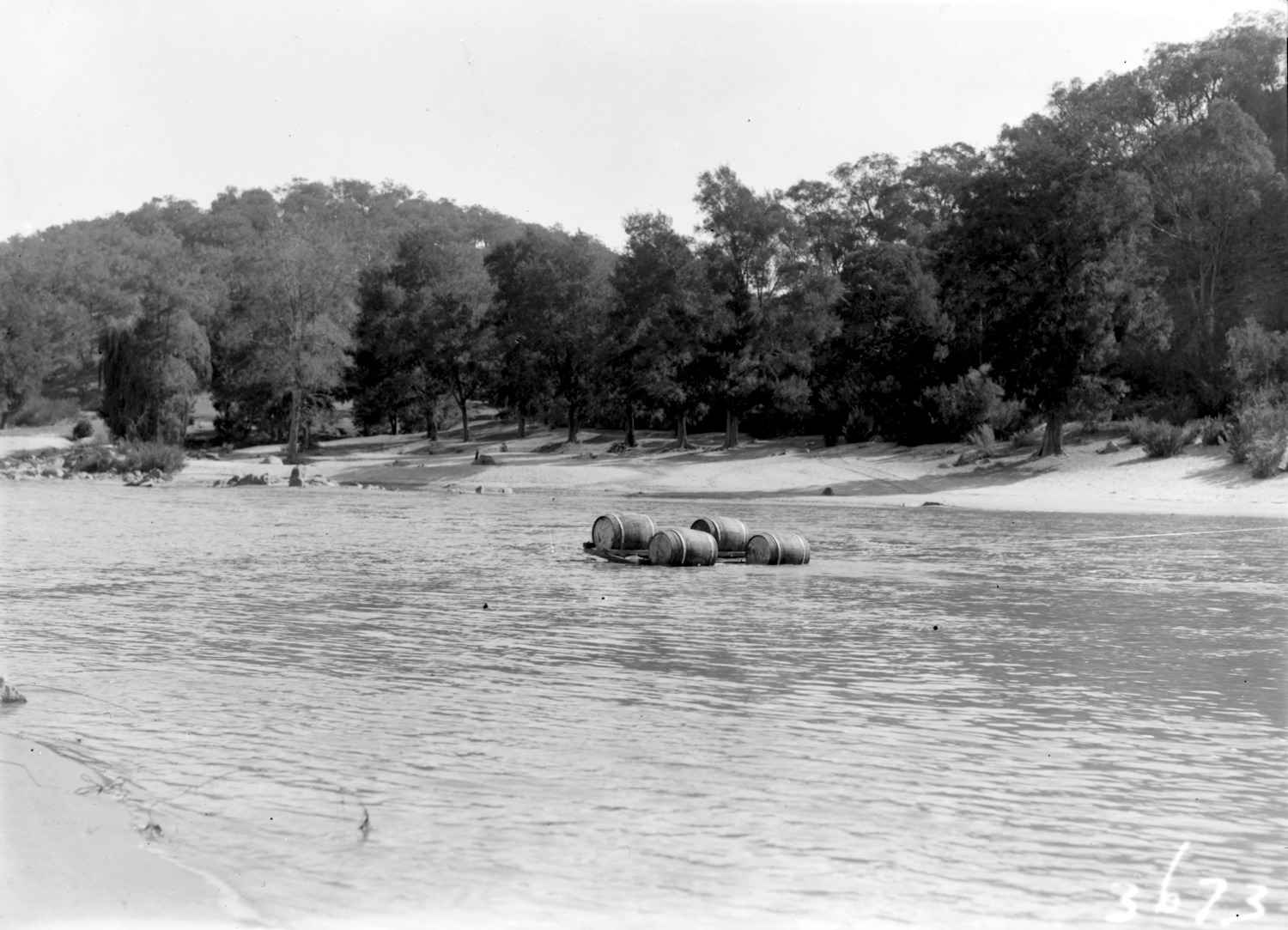
1920s barrel raft on the Murrumbidgee — Mildenhall Collection.
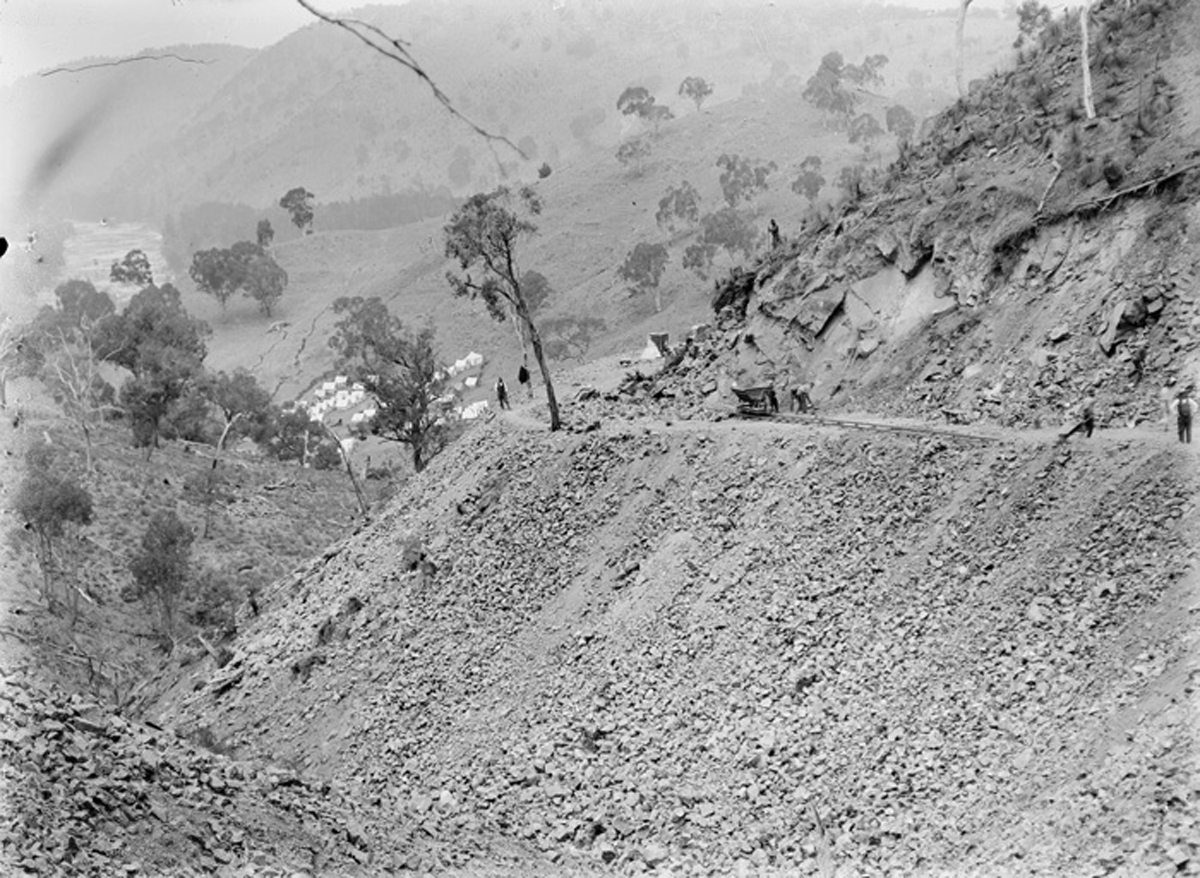
1920s Uriarra Road and the river — Mildenhall Collection.
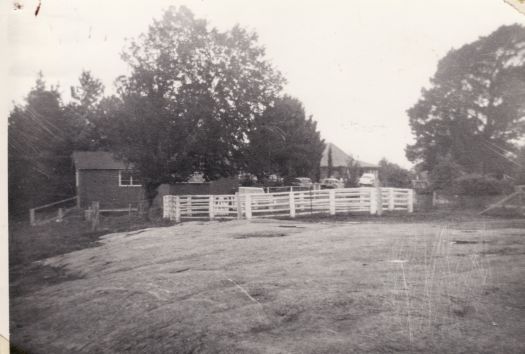
The Moth Stone — where Ngunnawal women cooked the Bogong moth harvest.
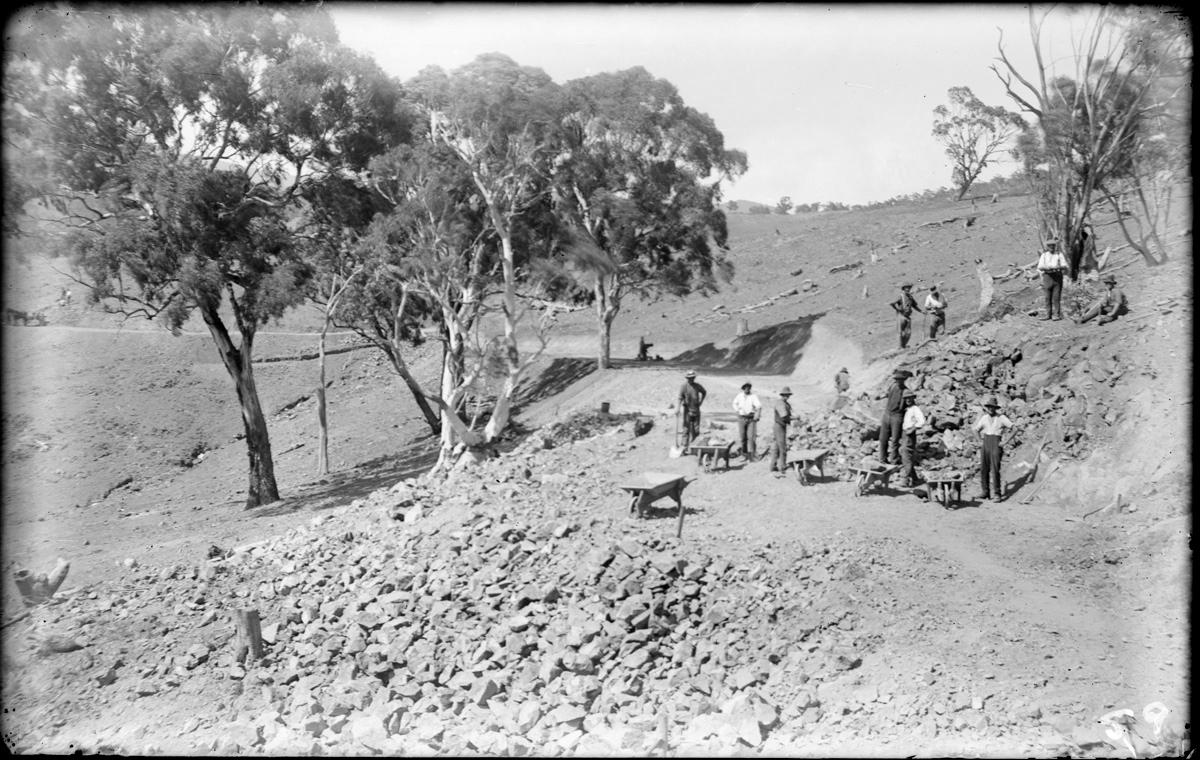
Early road works on Uriarra Road — men and wheelbarrows.
Just across the valley at Coree, the Sherwood Homestead Complex and its stand of heritage oak trees form one of the ACT's most quietly magical places — a piece of England transplanted to Australian soil, and now part of the landscape the valley is fighting to protect.
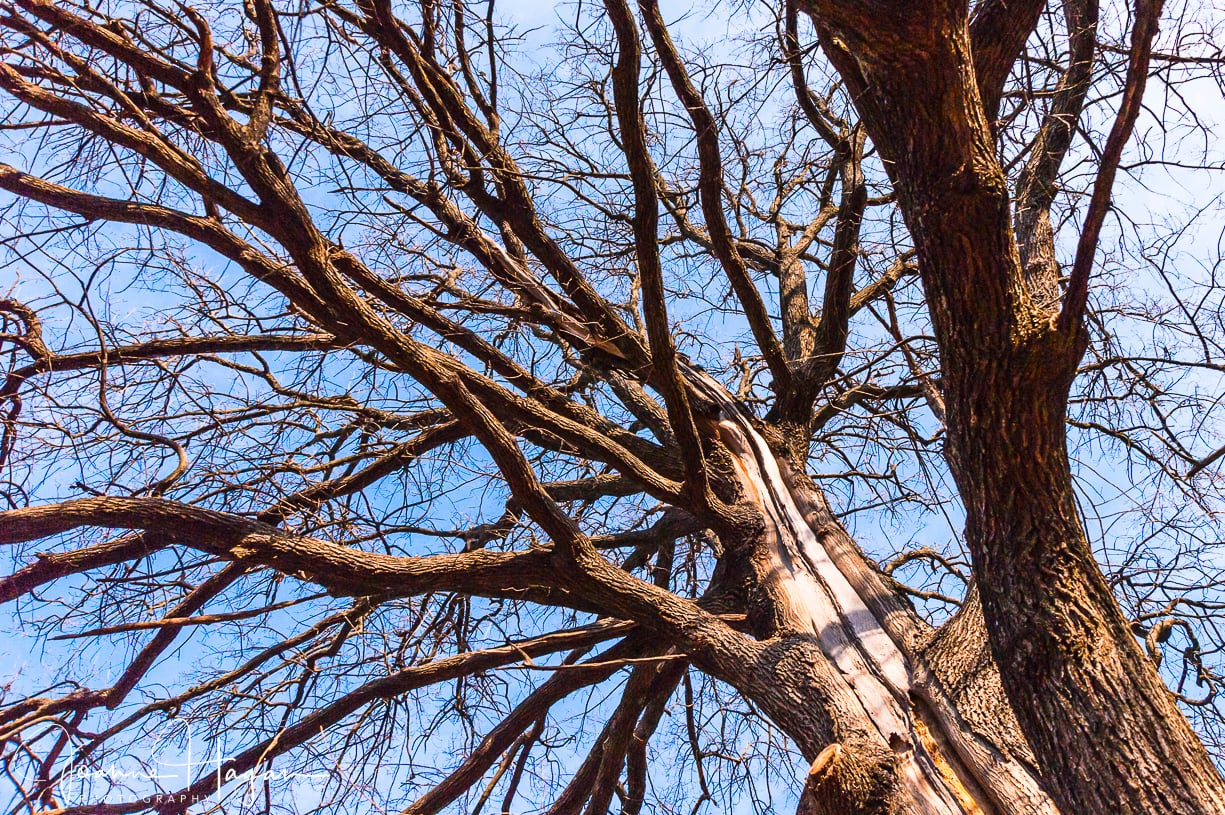
The canopy of a heritage oak — looking up through the bare branches in winter.
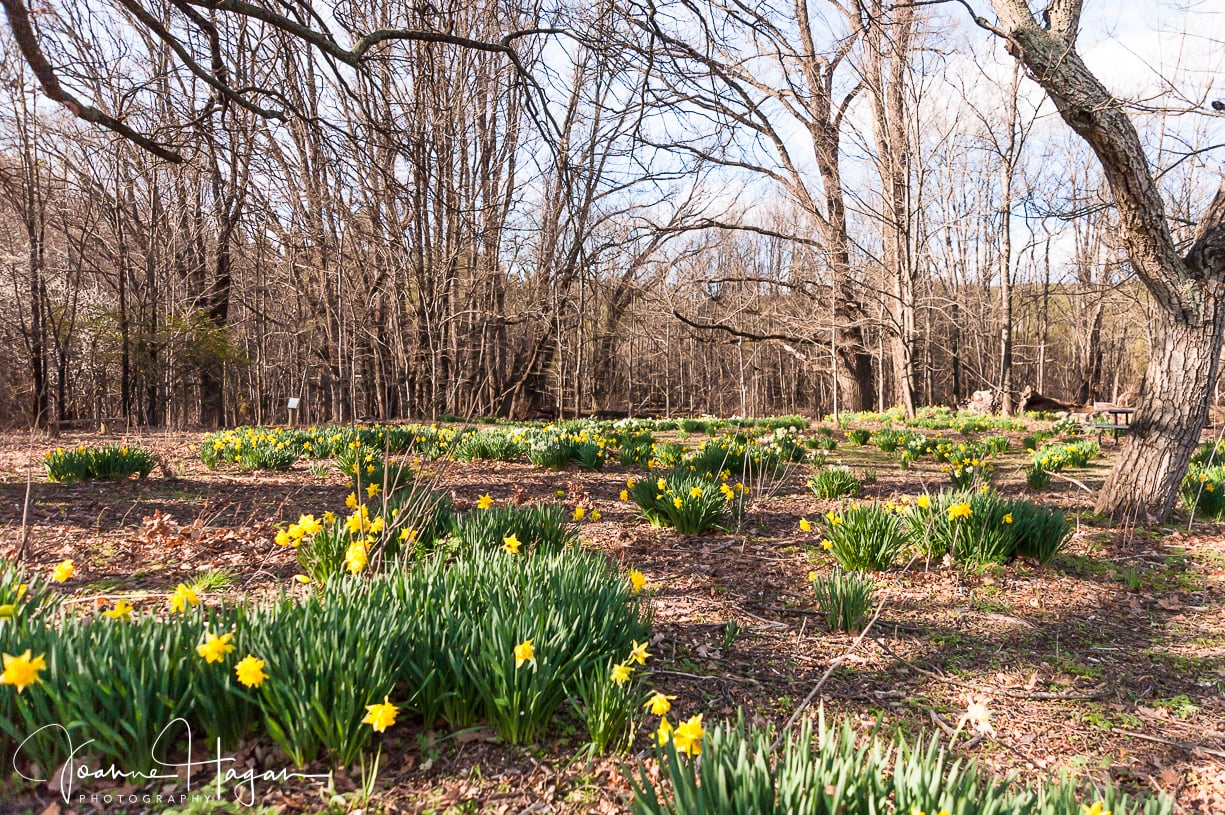
Daffodils naturalising on the forest floor beneath Sherwood's mature trees.
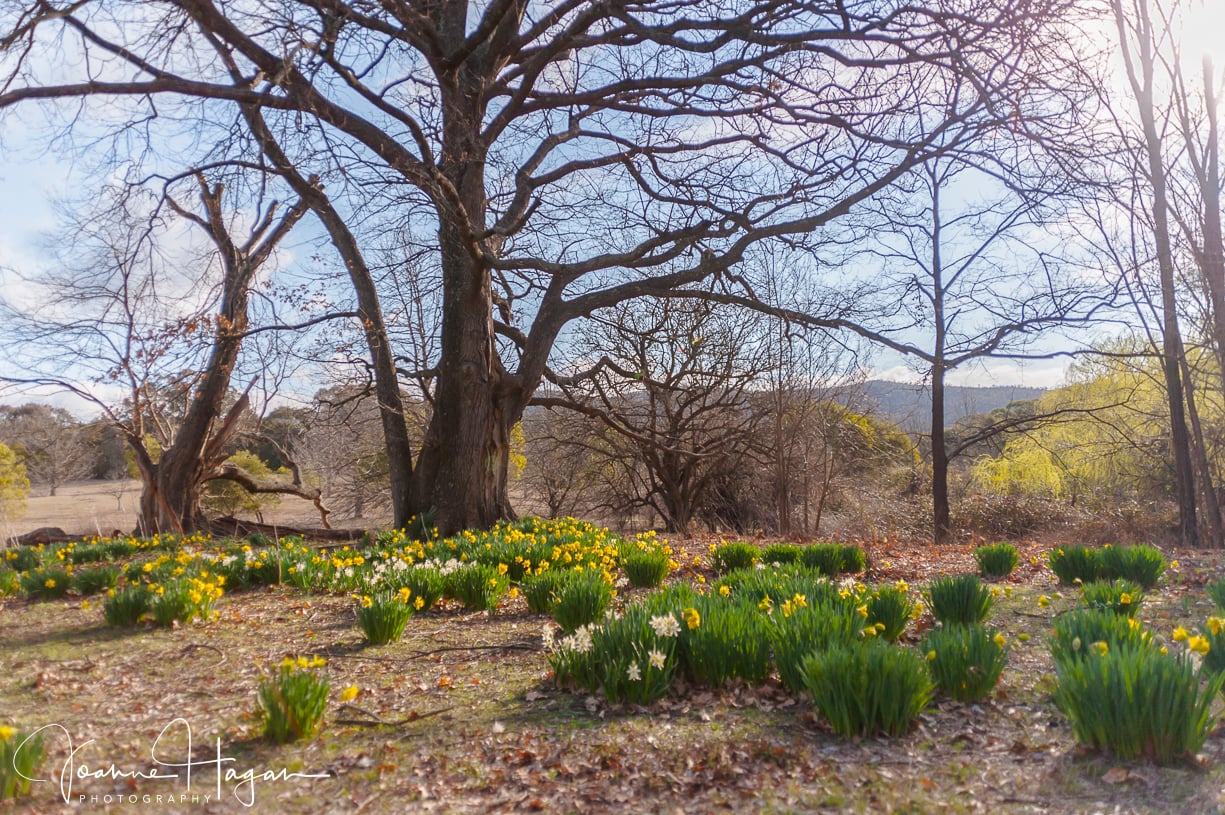
A clearing in Sherwood Forest where daffodils have naturalised among the leaf litter.
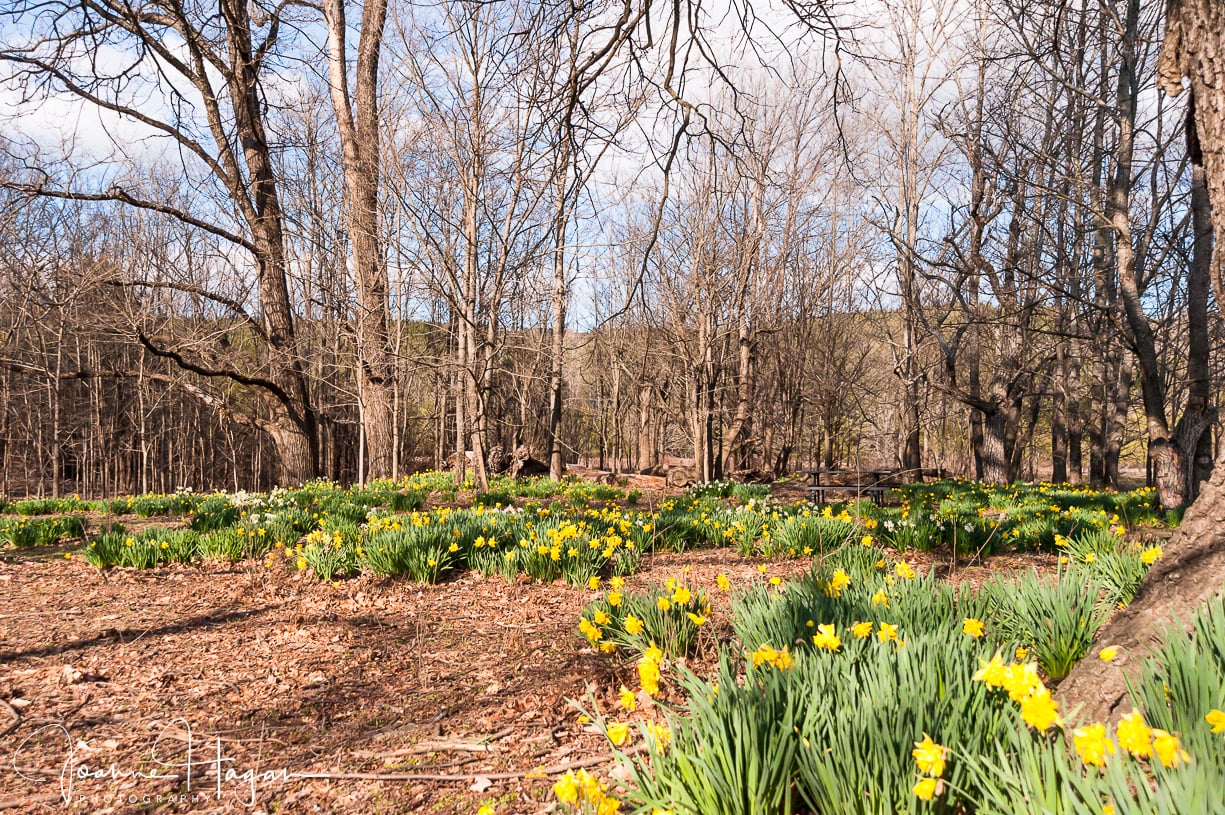
White and yellow daffodils beneath the canopy of Sherwood's tall trees.
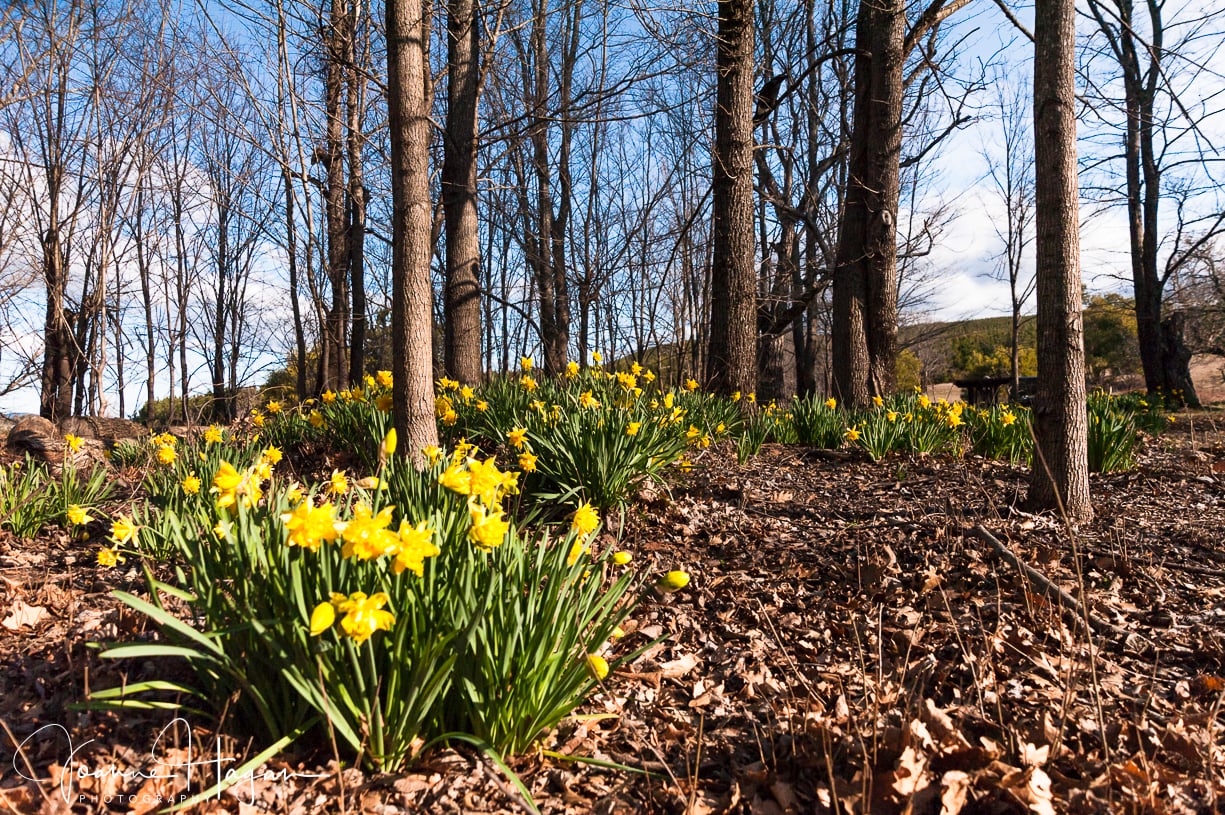
A dense patch of daffodils at the edge of Sherwood Forest.
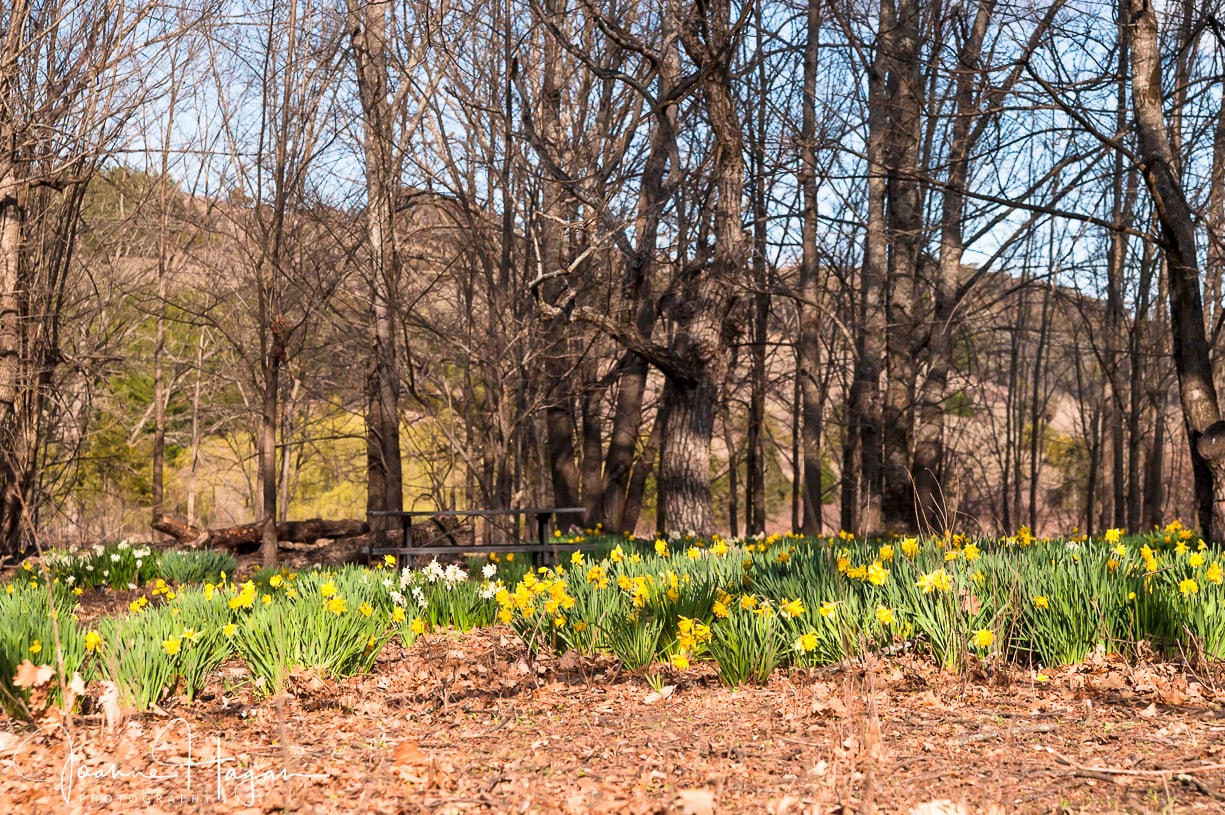
Daffodils and a picnic table in a Sherwood Forest clearing.
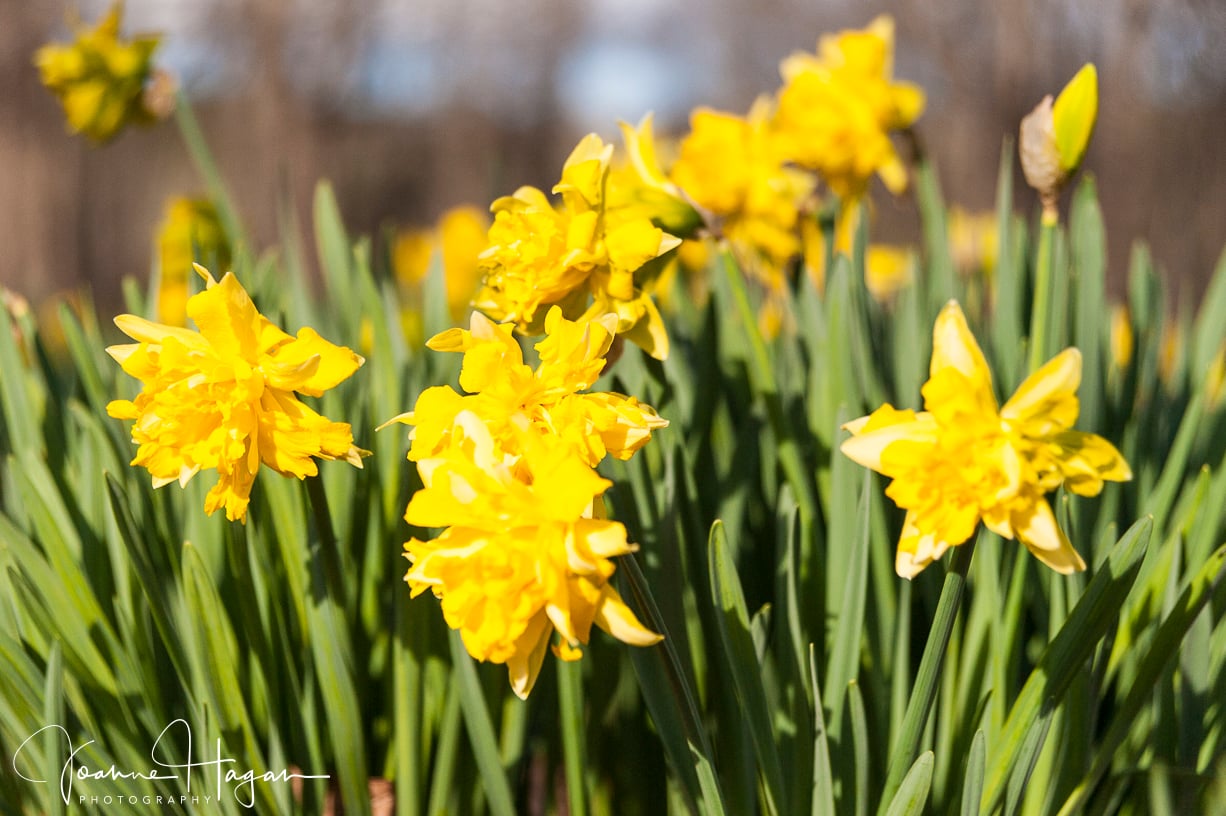
The tall trunks of Sherwood Forest's mature deciduous trees.
Sherwood Forest — the 1860s Phillips family farm, its heritage oaks and its burial ground — was found eligible for the ACT Heritage Register in 2015. It sits across the valley from Uriarra Station, part of the same pastoral landscape now facing the BESS proposal.